
Environmental
About environmental
Protecting nature, building a sustainable tomorrow
We help organizations reduce their environmental footprint through rigorous science, field instrumentation and deep regulatory expertise — from a compliance program to a whole restored ecosystem.

About
Protecting nature, building a sustainable tomorrow
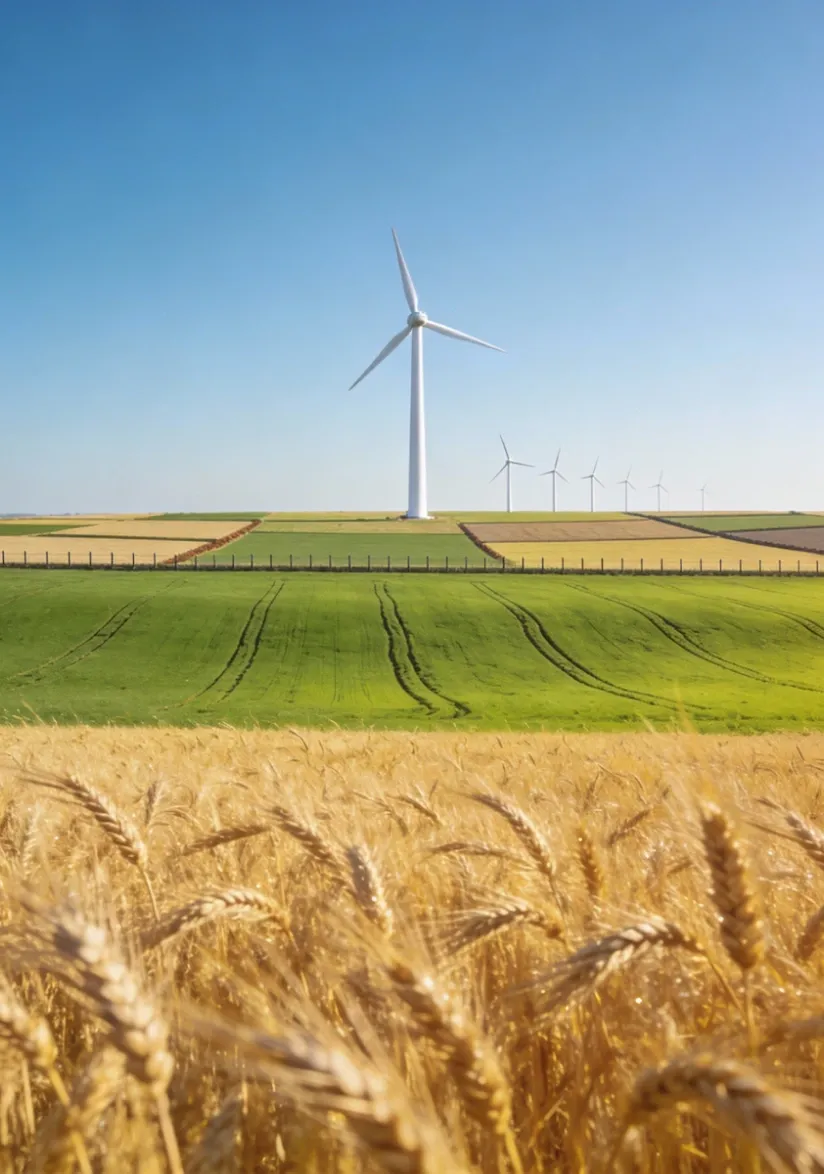
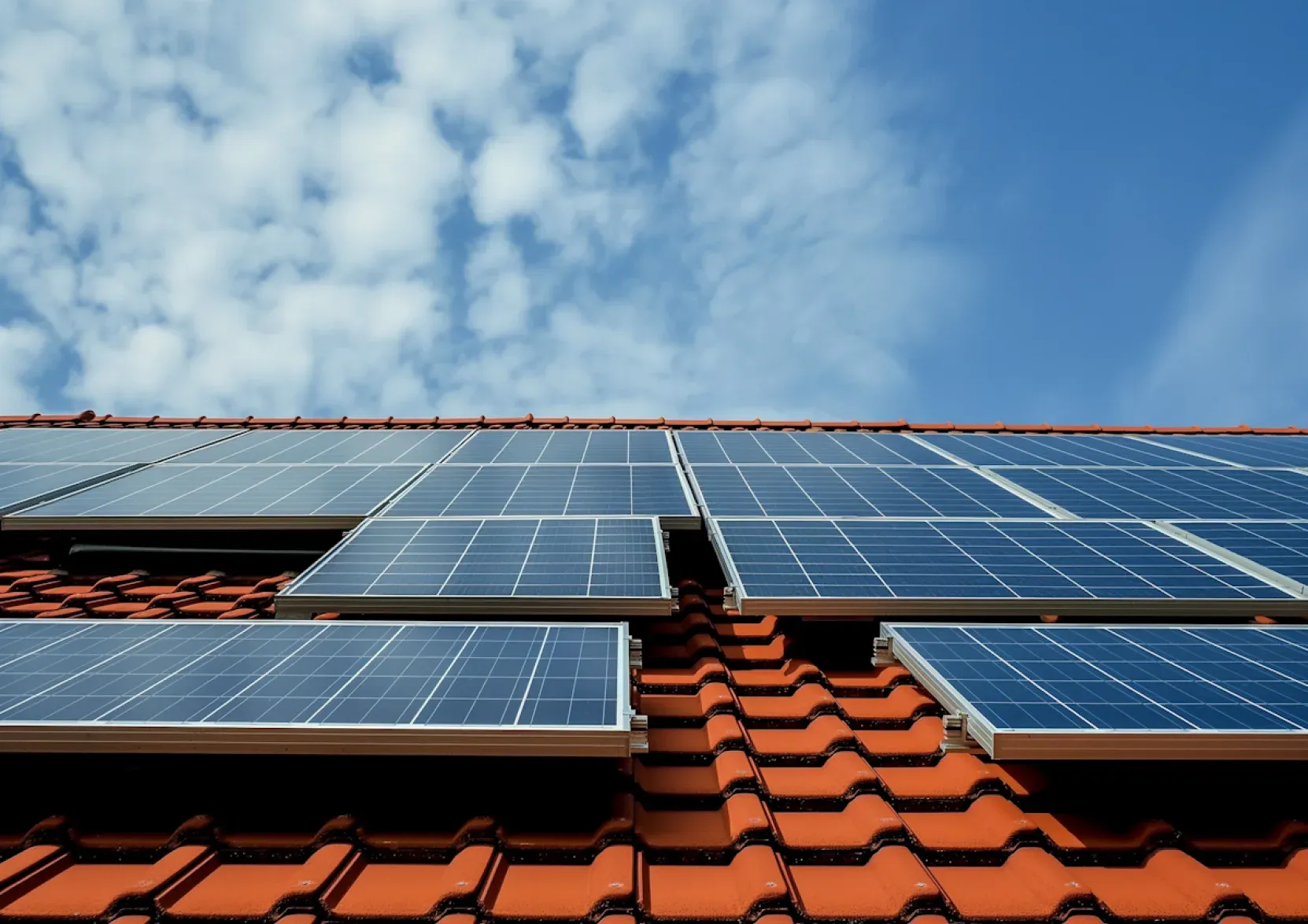
Founded in 2009, Earthly grew from a three-person ecology consultancy into one of the environmental firms most often called when a site is genuinely difficult. Our work spans wetland restoration, industrial remediation, biodiversity assessment and regulatory strategy.
What has not changed is how we work: the ecologist who writes the method statement is on site when it is carried out, and the community that lives with the result is in the room while it is being designed.
What has not changed is how we work: the ecologist who writes the method statement is on site when it is carried out, and the community that lives with the result is in the room while it is being designed.
250+
Environmental projects
95%
Client satisfaction
Our method
A sustainability
roadmap built to last
Most environmental programs fail on execution rather than ambition. Our four-phase method is built to survive leadership changes, regulatory updates and the scrutiny that follows a bad quarter.
94% of science-based targets approved on first submission
CSRD filings completed for 40+ companies in their first reporting year
Zero material findings across every assurance engagement to date
2026 — Assess & Define
Establish the baseline, survey what is actually on the site, and agree the environmental and commercial goals in the same document.
2027 — Plan & Implement
Turn those goals into a permitted, costed program across energy, emissions, water, waste and land management.
2028 — Measure & Improve
Instrument the site, report against the baseline, and change the program where the readings say it is not working.
2029 — Scale & Innovate
Extend what worked to the rest of the estate and bring in the monitoring technology that was not mature when you started.
Scientists
Our team of field scientists & experts
We employ 180 scientists, ecologists and engineers across 14 offices. Every project team is led by a specialist with an average of eighteen years in the field.
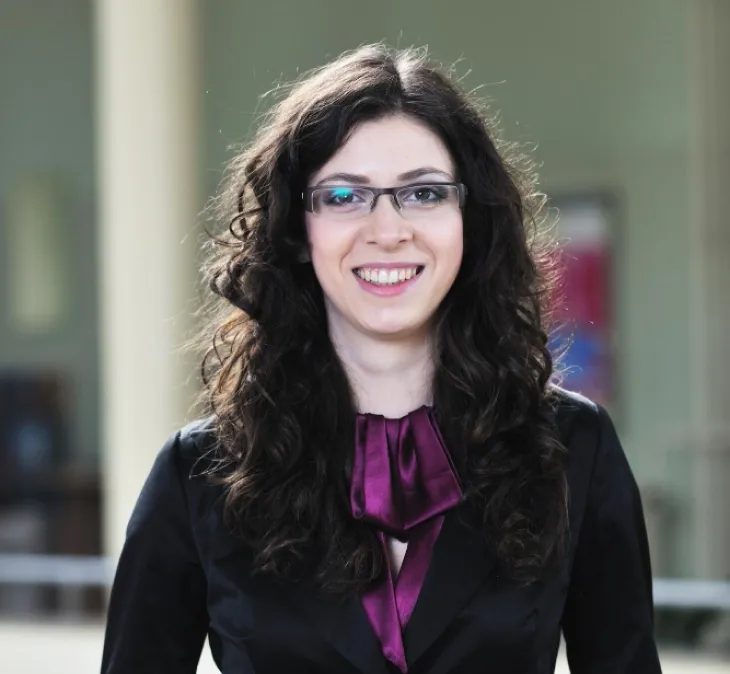
Emma Richardson
Chief Executive Officer

Michael Carter
Chief Operations Officer

Daniel Carter
Head of Renewable Energy

Daniel Brooks
Director of Renewable Energy

Sophia Nguyen
Head of Sustainability and ESG
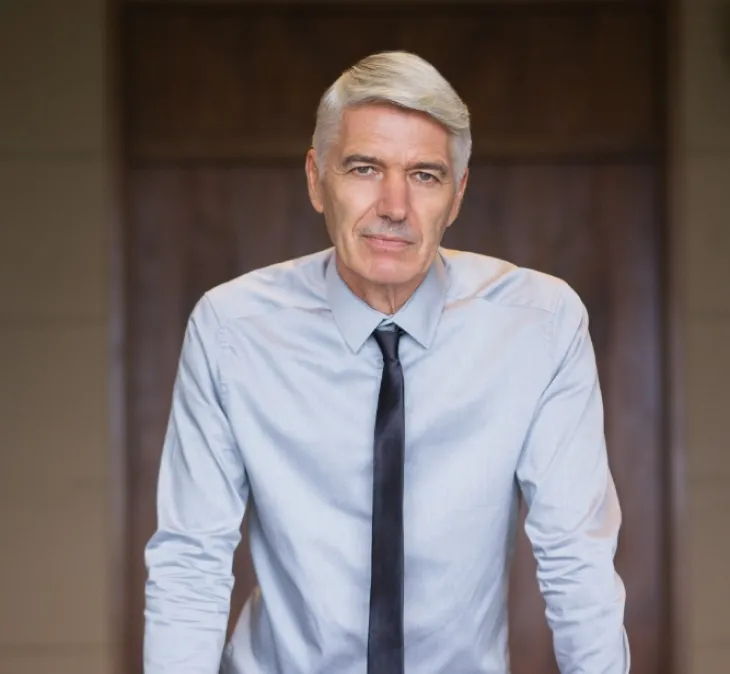
James Wilson
Senior Environmental Engineer

Jimmy Bakem
Head of Renewable Energy
Emma Richardson
Chief Executive Officer
Michael Carter
Chief Operations Officer
Daniel Carter
Head of Renewable Energy
Daniel Brooks
Director of Renewable Energy
Sophia Nguyen
Head of Sustainability and ESG
James Wilson
Senior Environmental Engineer
Jimmy Bakem
Head of Renewable Energy
FAQ
Frequently asked questions
What we are asked most often before a first site visit — how we scope a survey, who signs the report, and where the regulatory risk actually sits.
Three practices: energy solutions covering solar, wind, storage and charging infrastructure; sustainability services covering ESG strategy, carbon accounting and reporting; and climate and compliance covering net zero planning, climate risk and regulatory obligations.
Usually in two ways at once. Efficiency and on-site generation lower an operating cost that is exposed to price volatility, and the measurement work that underpins them produces the evidence your customers, lenders and regulators are increasingly asking for.
Yes. Environmental impact assessment, discharge and abstraction permits, planning consent and grid connection applications are all handled in house, and we maintain an obligation register so nothing arrives as a surprise three weeks before a deadline.
Manufacturing, food and beverage, logistics, data infrastructure, real estate, and public sector bodies. We also work with independent power producers and land trusts, where the engagement is closer to development than to advisory.
Book a consultation and bring whatever data you already have — a utility bill, an asset list, a draft report. The first session is scoping, not selling, and it usually ends with a short note on what we think the highest-value first piece of work would be.