
Solar energy sized to
a load profile, not a headline
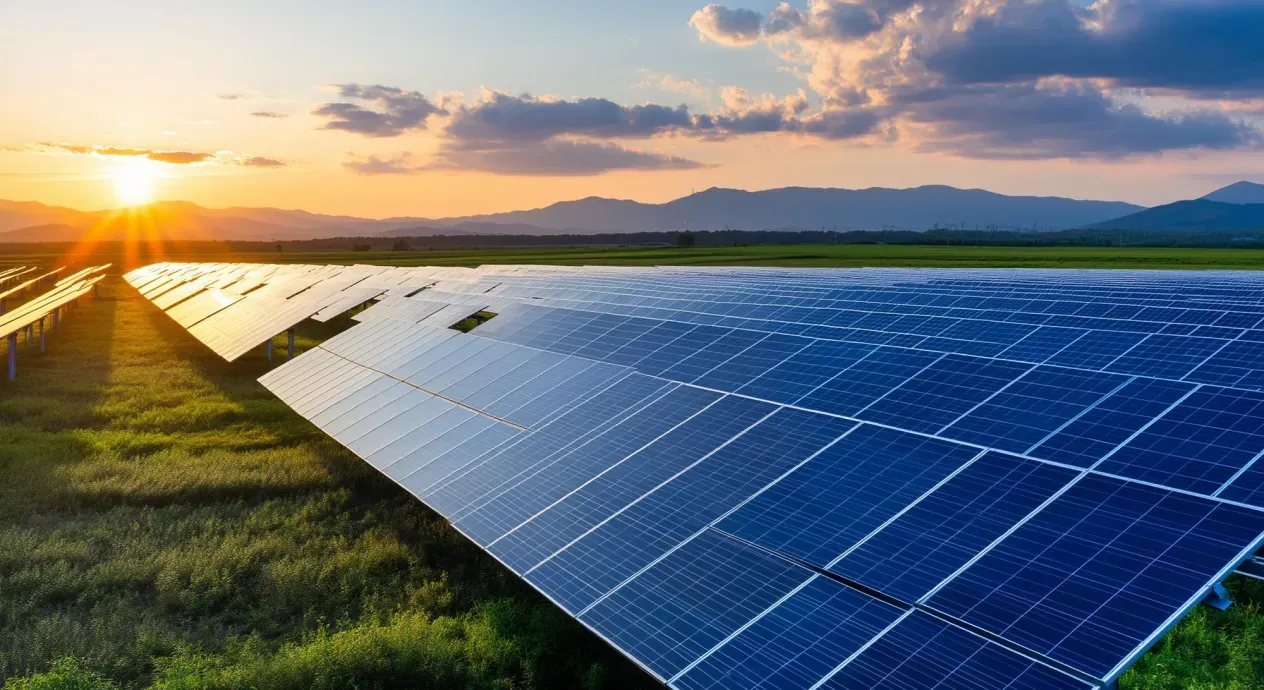

Clean energy that powers tomorrow
Why solar energy
makes sense



The intelligence behind every green decision
Solar is the cheapest generating asset most organizations will ever own, and it is also the one most often bought badly. A plant sized to a peak-demand number rather than a load profile, or modeled on a regional irradiance average rather than a year of on-site measurement, will underperform its business case from the first summer and keep underperforming quietly for two decades.
How we size a system
We start with interval data — eight thousand seven hundred and sixty hourly readings, not a monthly bill. That shows us when your load actually sits, how much of it a fixed-tilt array can serve directly, and where a tracker or a modest battery changes the economics. Only then do we draw a layout.
Site work follows: a shading study from a drone survey, a geotechnical assessment where ground-mount is on the table, and an early conversation with the interconnecting utility. Interconnection is the single most common cause of schedule slip on a commercial solar project, and it is the one item that does not compress later.
What delivery looks like
- Feasibility and yield model — four to six weeks, ending in a P50 and P90 production figure you can finance against.
- Permitting and interconnection — run concurrently, typically three to seven months depending on jurisdiction and queue position.
- Construction — six to sixteen weeks for a commercial rooftop, longer for ground-mount with civil works.
- Commissioning and handover — string-level testing, a thermographic scan of every module, and a monitoring platform configured before the first invoice.
The plants that disappoint are almost never the ones with the wrong modules. They are the ones where nobody checked the yield model against a real meter after year one.
Operations, because the asset lives for decades
Module degradation is predictable; inverter failure, soiling and vegetation are not. We contract operations and maintenance against availability and against performance ratio, so the obligation is to keep the plant producing rather than to keep it switched on. Soiling schedules are set from measured losses at your site. Inverter spares sit in regional stock, not on a boat.
Financing is part of the engineering, not an afterthought. Depending on your balance sheet and tax position we will structure a direct purchase, a lease, or a power purchase agreement where a third party owns the asset and you buy the electricity. Each produces a different cost of energy and a different accounting treatment, and we model all three before recommending one.
Frequently asked
questions