
Solutions /
EV charging

Fleet charging that fits
the connection you already have
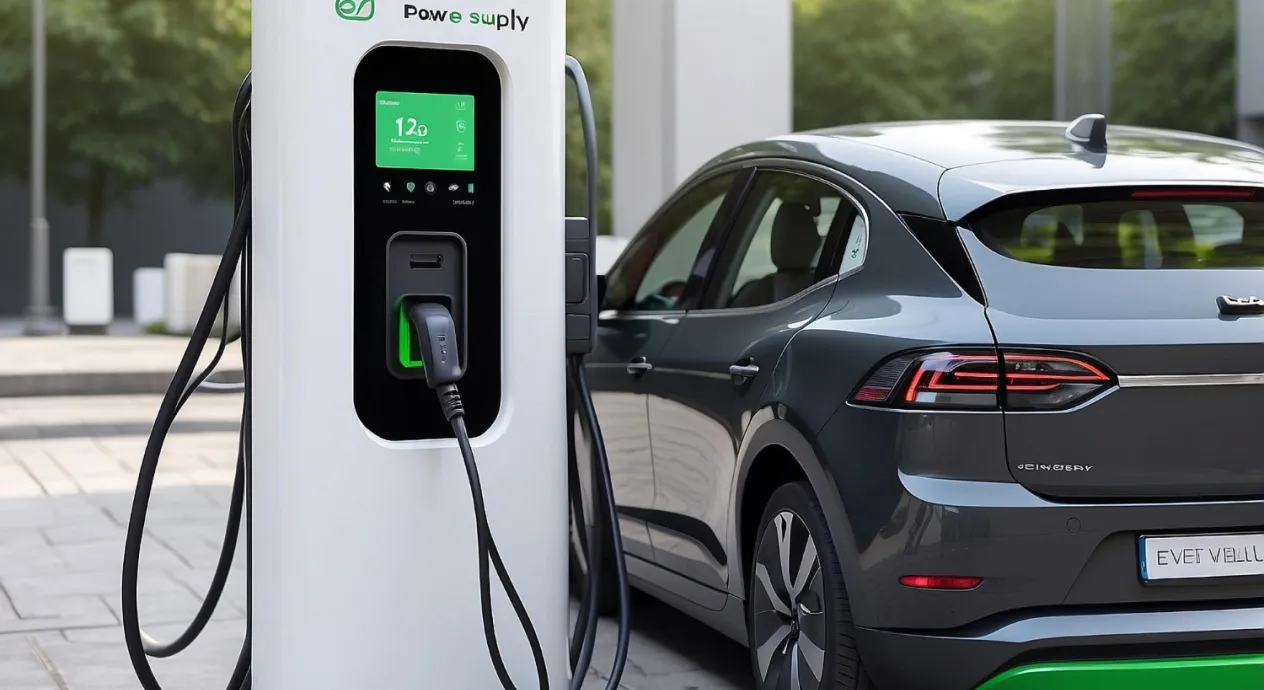

Depot and workplace charging designed around duty cycles and grid capacity, so the fleet charges without a substation upgrade.
EV charging
2,400
Charge points commissioned
0
Substation upgrades required
94%
Depot charging within off-peak
Charging built around the duty cycle

Charging built around the duty cycle

Depot charging is a scheduling problem before it is an electrical one. Model the duty cycle first and most sites charge inside the capacity they already hold.
Duty cycle and dwell-time analysis
Available capacity assessment
Load management and smart charging
Charger specification and tendering
Civils, cabling and installation
Uptime and payment operations

Why depot charging
pays for itself

Six reasons fleets that plan charging properly reach lower cost per mile than they ever did on diesel.
Lower cost per mile
Lower cost per mile
Off-peak electricity against diesel is a wide gap, and smart charging keeps the fleet inside it.
Tailpipe emissions gone
Depot electrification removes local air pollution as well as carbon, which matters to urban operators.
No substation upgrade
Load management usually spreads demand far enough that the existing connection is sufficient.
Grant funding captured
Infrastructure grants and vehicle incentives are built into the case at the modeling stage.
Uptime that holds
Uptime that holds
Chargers specified and contracted on availability, with spares held locally rather than centrally.
Future headroom
Future headroom
Ducting and switchgear sized for the fleet you will run, not only the one you run now.
Infrastructure that keeps the fleet moving

Infrastructure that keeps the fleet moving

A charger that cannot be relied on is worse than no charger, so reliability is specified and contracted rather than hoped for.
Duty-cycle modeling
Telematics data, not assumptions, decides how many charge points a depot actually needs.
Dynamic load management
Charging scheduled against site load so the connection limit is never the constraint.
Open protocols
OCPP throughout, so the hardware and the back office can be changed independently.
Contracted availability
Service agreements written against charge-point uptime with response times that match the shift pattern.

Most charging projects fail on the same question: how much power does the site actually have. Ordering chargers before answering it is how a depot ends up with twenty bays, a two-year wait for a transformer, and a fleet that still refuels on diesel.

Start with the duty cycle

Vehicles do not need to charge fast. They need to be full when they leave. A delivery van parked from six in the evening until five in the morning has eleven hours of dwell — enough to fill a large pack at eleven kilowatts. Spec that van a hundred and fifty kilowatt DC charger and you have bought four times the grid connection for no operational benefit.

We pull telematics for a representative month, build the real dwell and energy distribution, and size from that. In most depots the result is a mix: a majority of low-power AC bays for overnight, and a small number of DC units for turnaround vehicles and for the days when the schedule slips.

Making the existing connection work

  • Dynamic load management that shares available capacity across bays in real time
  • Charging schedules aligned to your tariff’s off-peak window
  • On-site solar or storage where the connection cost exceeds the hardware cost
  • Staged expansion, with civil works and ducting sized for the fleet you will have in five years

The cheapest kilowatt is the one you did not have to buy from the network operator. Load management routinely defers a service upgrade by several years.

Hardware and software choices that age well

We specify hardware that speaks open protocols end to end, so the charge point management system can be changed without replacing the chargers. Payment, access control and driver identification are configured to your operational model rather than to a vendor’s default.

Uptime is contracted, not hoped for. Remote diagnostics, a spares holding and a defined response time turn charging from a facilities risk back into a utility. For workplace and public sites we also handle tariff design, accessibility compliance and the signage and lighting requirements that make a site usable after dark.

Frequently asked
questions

Frequently asked questions
Photovoltaic modules convert sunlight directly into direct current electricity, which an inverter converts to alternating current for your site or the grid. Output follows irradiance rather than demand, which is why we model your hourly load alongside the resource before fixing a system size.
Every engagement starts from your own data — interval meter readings, an asset register, or a year of on-site measurement — rather than from a template. The design that follows is sized to your load profile, site constraints and growth plan, and we show you the trade-offs we made on the way.
Advisory engagements usually run six to sixteen weeks. Built projects depend almost entirely on permitting and grid connection: a commercial rooftop can be energized inside a year, while utility-scale generation typically runs two to four years from site control to commercial operation.
Yes. We build the inventory, install the controls, map one data set out to whichever frameworks apply to you, and draft the disclosure itself. We also run assurance readiness reviews so the first engagement with an auditor is not the first time the process is tested.
We build the pathway from your asset register, aligning abatement to replacement cycles so you are not writing off working equipment. We also quantify the residual emissions honestly and help you procure durable removals against them, rather than assuming the last ten percent away.