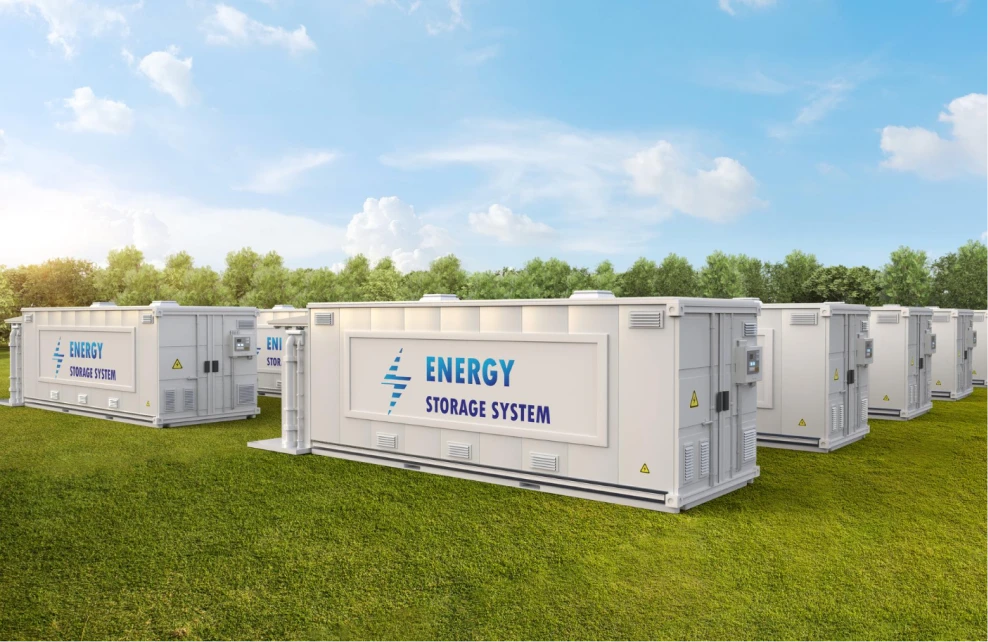
EcoGrid battery storage
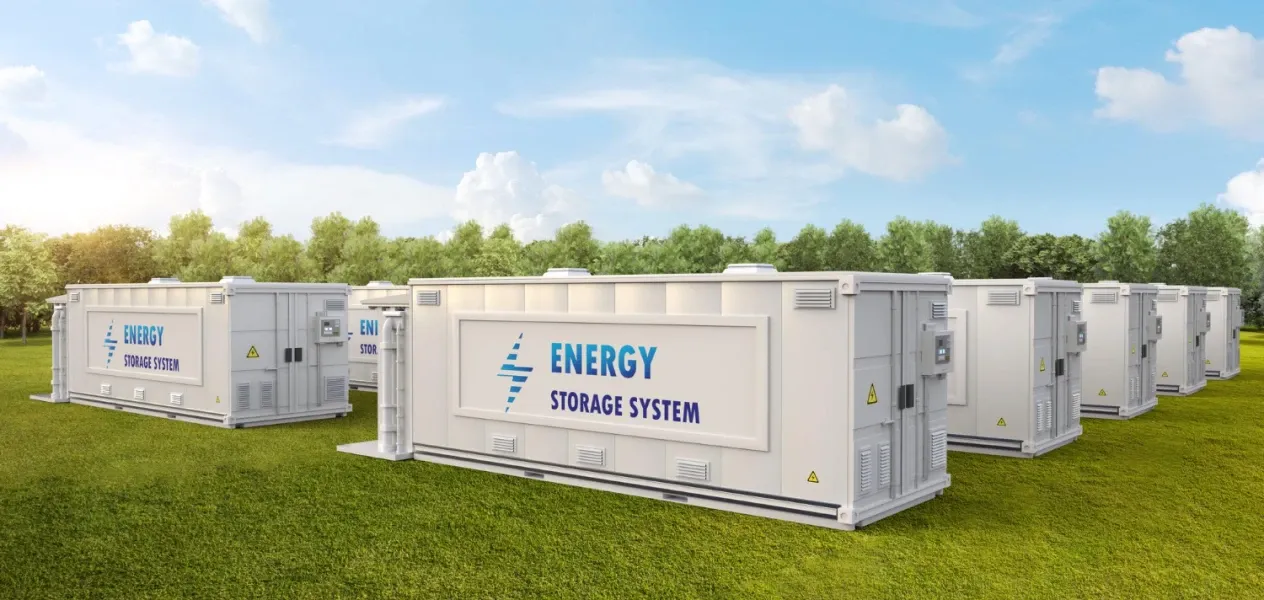
The adjacent wind farm was being curtailed for roughly nine percent of its annual generation, partly by network constraint and partly by negative pricing in the middle of the day. Curtailed energy is free energy if you have somewhere to put it.
Co-location arithmetic
Sharing a connection point is what makes a project like this work. The wind farm rarely exports at full capacity, so the headroom is available for the battery to charge without a connection upgrade — and the battery can export into the same headroom when the wind is low, which is precisely when prices are high.
The constraint is the controls. A hybrid plant has to present a single set point to the network operator while internally deciding how to split it, and it has to do so within the operator’s telemetry and response requirements. That integration work was the technical heart of the project.
Delivery in fourteen months
- Connection reassessment rather than a new application, saving an estimated eighteen months
- Containerized system delivered in eleven shipments, with spacing set by the fire study
- Hybrid controller commissioned against a hardware-in-the-loop model before energization
- Market registration completed in parallel with construction
Co-location is the fastest storage you will ever build, because the hardest permission has already been granted.
First-year results
Forty-one percent of what had previously been curtailed is now captured and shifted. The battery also earns from frequency control services, which in this market pays well during the dispatch intervals immediately after a large unit trips.
Southern Grid Cooperative’s members see the combined plant’s revenue rather than the battery’s in isolation, which is the correct framing: the asset exists to make the wind farm worth more.
The hybrid controller has since been re-tuned twice as market dispatch rules changed, and the model it was commissioned against is maintained so that future changes can be tested before they reach the plant.
Firming a feeder that
ends a hundred kilometers out
- Voltage excursions from rooftop solar already at the limit of the feeder's tolerance
- Summer ambient temperatures above the standard thermal derating band
- No permanent site presence within two hours of the installation
Fourteen months at the end of a long feeder