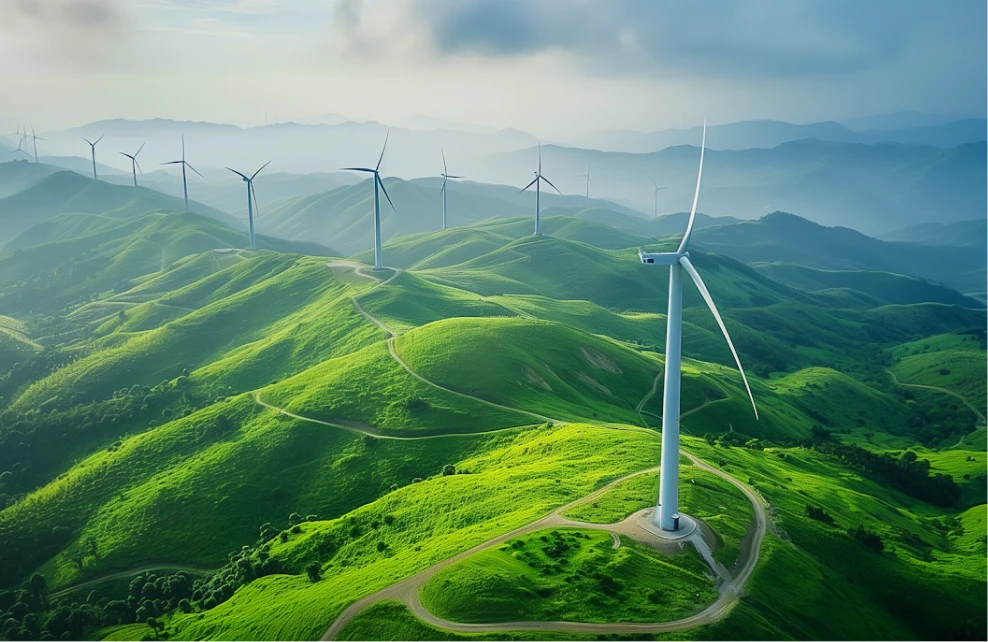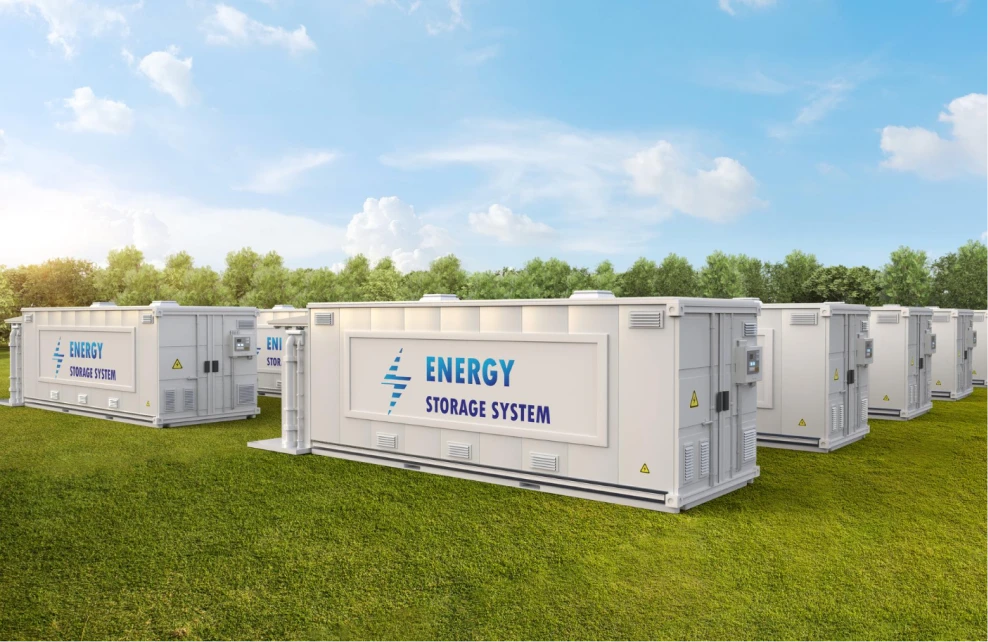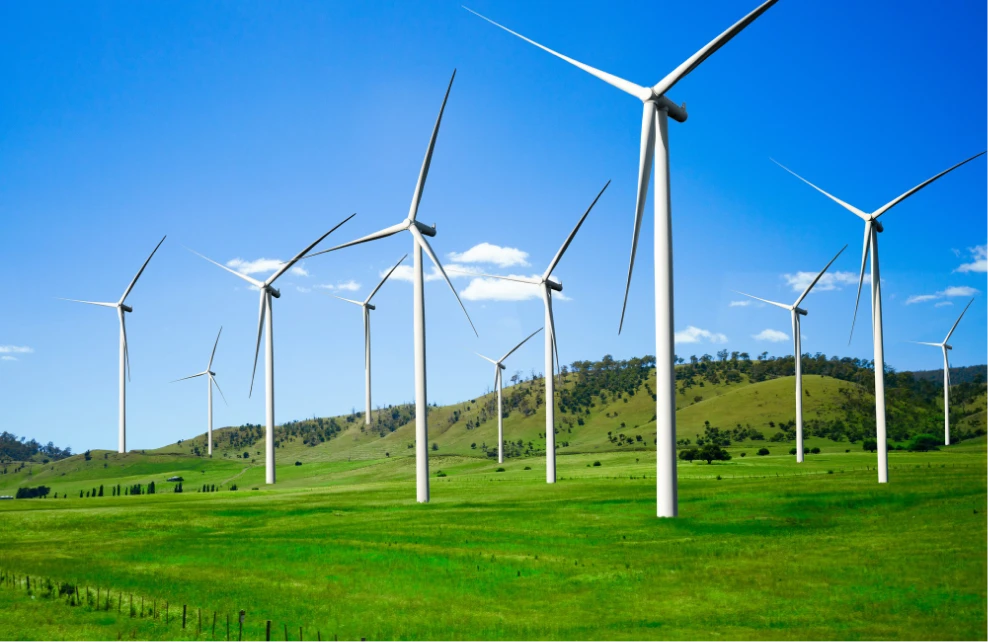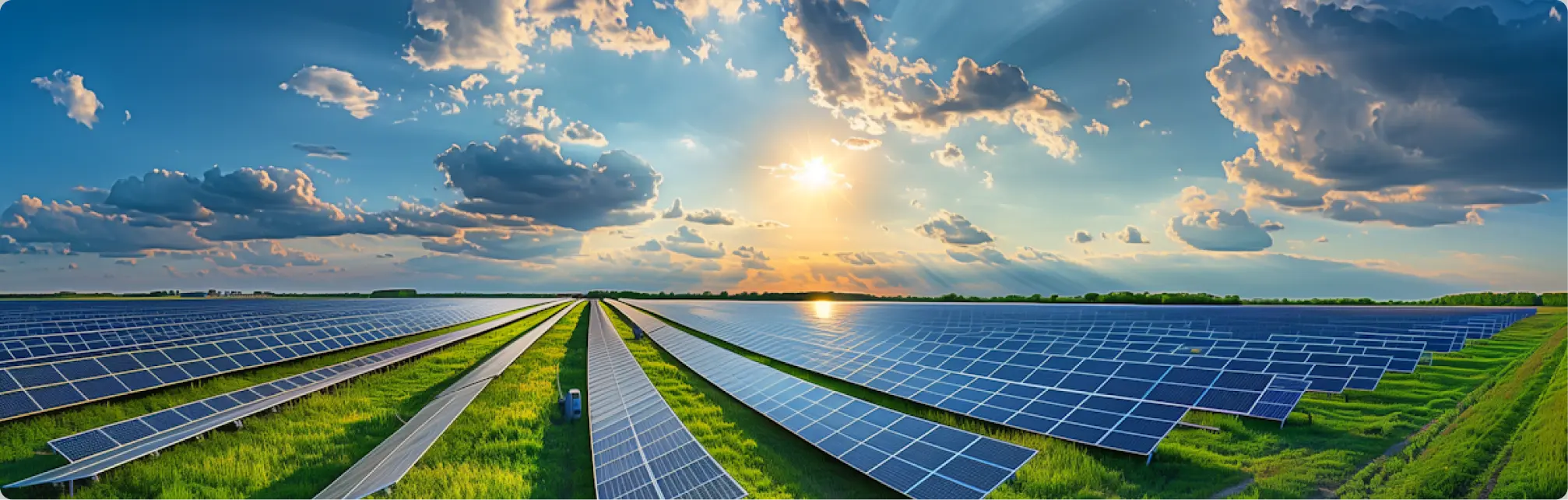
Green valley solar farm

A cooperative of local landowners wanted a solar project that did not take their land out of use, and that they would own rather than lease. Both requirements shaped the engineering more than the commercial terms did.
Designing for two uses
Standard utility layouts pack rows as tightly as shading allows. Agrivoltaic layouts trade some generation density for usable ground: taller mounting, wider row spacing, and tracker control that can be biased toward crop or pasture needs during critical periods.
We modeled the trade-off explicitly. The final design gives up about seven percent of the generation a conventional layout would have produced on the same parcel, and keeps ninety percent of the land in active sheep grazing. Pasture under the arrays showed measurably lower moisture stress through the second summer, which the cooperative’s own members had predicted and we had not.
Ownership structure
- A cooperative holding company with one vote per member, independent of shareholding size
- A senior debt facility sized so that member contributions stayed within reach of ordinary households
- A revenue-sharing arrangement that pays a fixed ground rent plus a variable distribution
- Governance documents in Spanish, drafted with a local notary rather than translated after the fact
Community ownership is not a softer version of project finance. It is the same discipline with a longer consultation and a much better consenting outcome.
Construction and operation
Seventeen months from notice to proceed to commercial operation, with local contractors used for civil works and fencing. Two cooperative members trained as site technicians and now handle first-line maintenance under a supervised arrangement, which has cut average response time on inverter faults from two days to four hours.
The cooperative publishes its generation and distribution figures to members every quarter, which has turned out to be the most effective consenting tool available for the second phase now in development nearby.
Four hundred members,
one balance sheet
- No single member large enough to underwrite the connection deposit
- Irrigation load that peaks three hours after generation does
- Andalusian grid capacity already committed within the nearest two substations
A cooperative's first generating asset