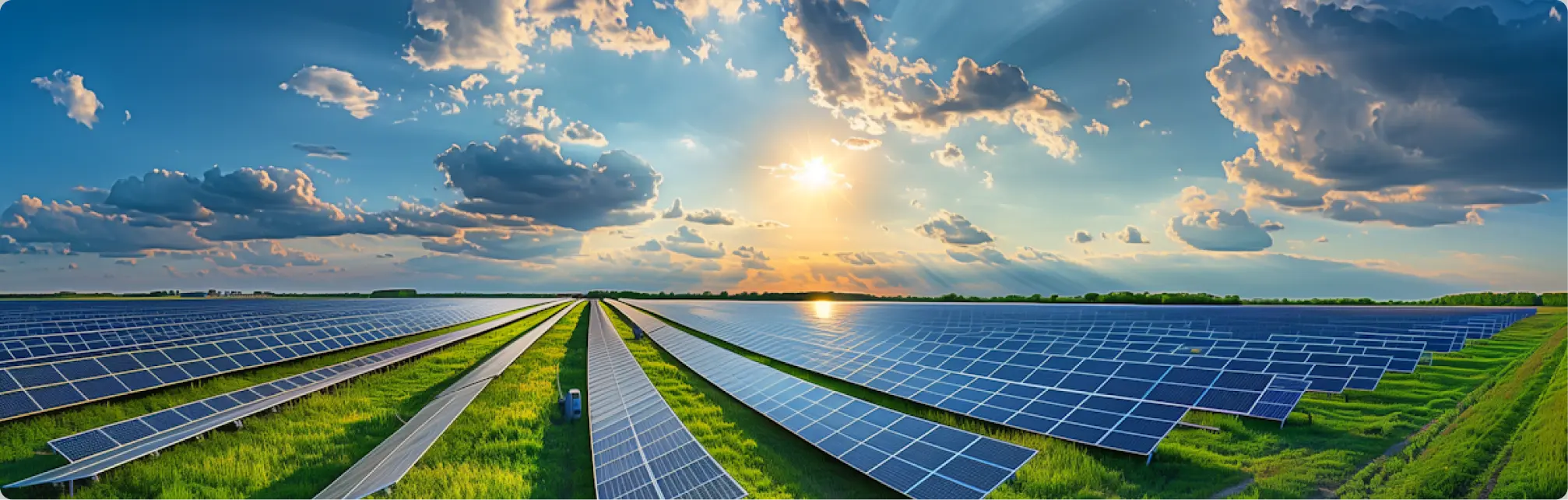
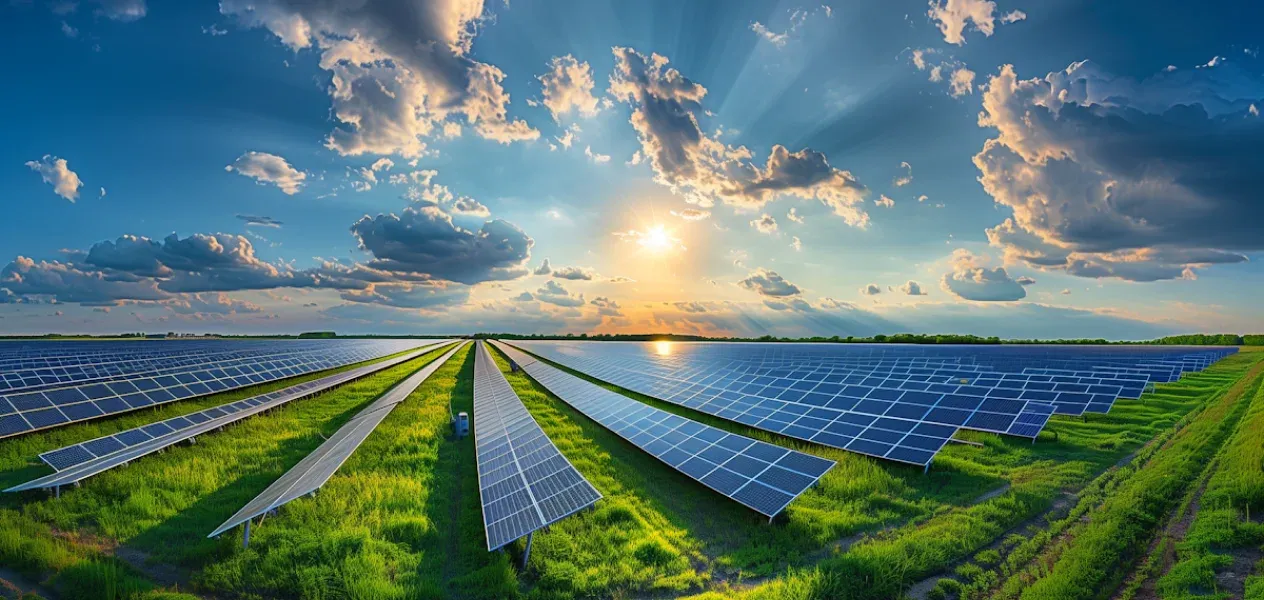
Mojave solar complex
Cascade Data Holdings needed firm, low-cost power for two new campuses and a contract structure their treasury team could carry on the balance sheet. What they did not have was a site, an interconnection position, or an internal team that had built generation before.
Finding the site
We screened eleven candidate parcels against irradiance, slope, transmission proximity and queue position. Kern County won on a combination that is rarer than it sounds: strong direct normal irradiance, an existing substation within four kilometers, and land that had already been taken out of agricultural production, which removed the food-versus-fuel objection before it could be raised.
A twelve-month on-site measurement campaign followed. Modeled yield came in two and a half percent below the regional average that the original desktop study had used — a difference worth roughly eleven million dollars across the contract term, and exactly the kind of thing that only measurement finds.
Delivery
Construction ran thirty-one months against a thirty-month plan, with the slip absorbed in the interconnection study rather than on site. Single-axis trackers were chosen over fixed tilt after modeling showed the additional afternoon generation aligned closely with the campus load shape.
- 612,000 bifacial modules on north-south tracker rows
- Sixty-two central inverters with integrated reactive support
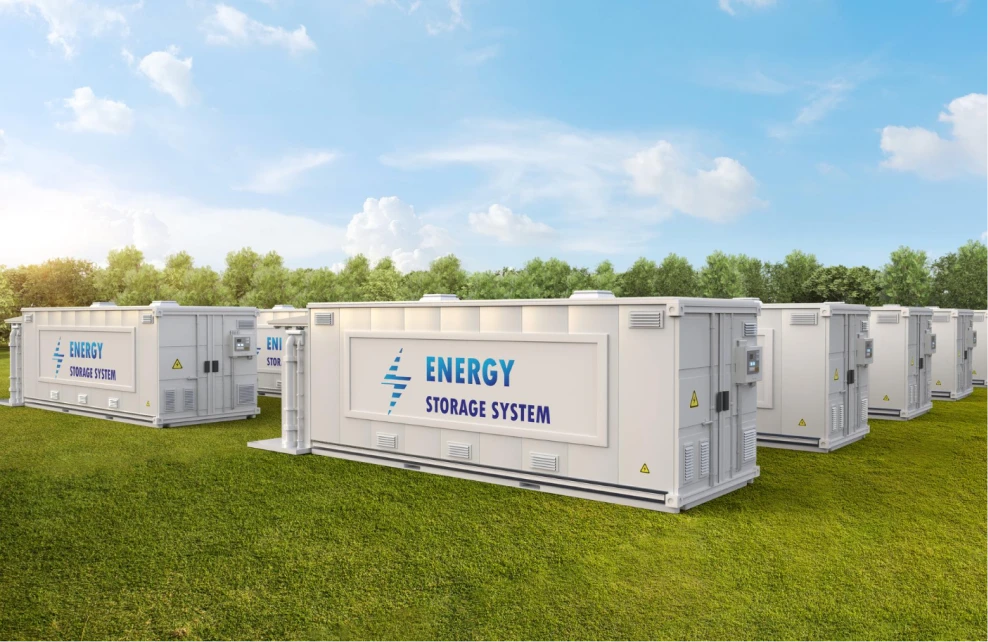
- A 6 MW / 24 MWh battery for ramp-rate control and evening shoulder
- Desert tortoise relocation completed under a species management plan before any grading
What it delivers
The plant has run above its P50 yield in each of its first four quarters. Soiling losses came in higher than modeled, which we addressed by changing the wash schedule from quarterly to a soiling-sensor trigger — a small operating change worth about nine gigawatt hours a year.
Cascade now buys roughly seventy percent of its western region electricity at a fixed real price through 2045, and reports the associated generation as a market-based Scope 2 reduction with contract-level evidence behind it.
Firm power for two campuses
on land nobody wanted
- Interconnection queue position behind two larger projects in the same cluster study
- Desert tortoise habitat across the eastern third of the site
- A treasury team that had never carried a twenty-year energy contract
Thirty-one months across four hundred hectares